Understanding Medical Equipment for Daily Care
- CFS Solutions DBS Team

- Dec 17, 2025
- 4 min read
When it comes to managing health at home, having the right tools can make all the difference. I’ve seen firsthand how the right equipment can transform daily routines, making life easier and safer. Whether you’re caring for a loved one or managing your own health, understanding the options available is key. Today, I want to walk you through the essentials of medical equipment designed for daily care, helping you feel confident and prepared.
Getting to Know Medical Equipment for Home Use
Medical equipment for home care isn’t just about fancy gadgets. It’s about practical tools that support mobility, comfort, and health monitoring. These devices range from simple aids like walkers and canes to more complex machines like oxygen concentrators and hospital beds. The goal? To help you or your loved one maintain independence and improve quality of life.
Think about a wheelchair that fits perfectly or a hospital bed that adjusts with ease. These aren’t just products; they’re solutions tailored to your needs. When you understand what’s available, you can make informed choices that truly benefit daily living.

Understanding Medical Equipment: What You Should Know
Before diving into specific products, it’s important to grasp a few basics. Medical equipment for home use is often categorized as durable medical equipment (DME). This means it’s designed to withstand repeated use and serves a medical purpose. It’s not just any device; it’s built to support health and recovery over time.
Here’s what you should keep in mind:
Durability: These items are made to last and handle daily wear.
Functionality: They assist with mobility, breathing, or other health needs.
Safety: Designed with user safety as a priority.
Insurance Coverage: Many insurance plans cover DME, but it’s good to check specifics.
Knowing these points helps you navigate options and understand what to expect when selecting equipment.
What does Durable Medical Equipment cover?
When you’re exploring options, it’s helpful to know what types of equipment fall under this category. Durable medical equipment covers a wide range of items that support daily care and medical needs at home. Here are some common examples:
Mobility Aids
Walkers
Wheelchairs
Canes
Crutches
Respiratory Equipment
Oxygen tanks and concentrators
Nebulizers
CPAP machines for sleep apnea
Home Care Beds and Accessories
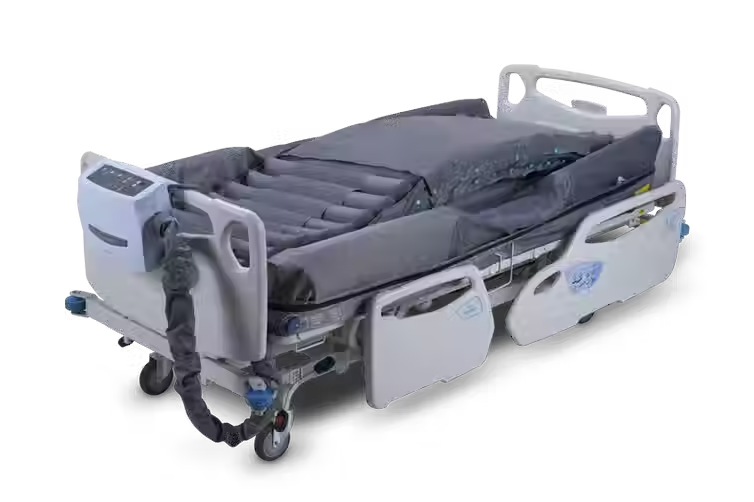
Adjustable hospital beds
Bed rails
Pressure relief mattresses
Bathroom Safety Equipment
Shower chairs
Raised toilet seats
Grab bars
Monitoring Devices
Blood pressure monitors
Glucose meters
Each of these items plays a specific role in making daily care manageable and safe. For example, a walker can provide stability and confidence for someone recovering from surgery, while a CPAP machine helps improve sleep quality for those with breathing difficulties.
How to Choose the Right Equipment for Your Needs
Choosing the right equipment can feel overwhelming, but it doesn’t have to be. Start by assessing the specific needs involved. Ask yourself or your loved one:
What daily activities are challenging?
Is mobility limited?
Are there respiratory issues that require support?
What safety concerns exist in the home environment?
Once you have a clear picture, consider these tips:
Consult a healthcare professional: They can recommend equipment based on medical needs.
Try before you buy: Many suppliers offer rentals or demos.
Check for insurance coverage: This can significantly reduce costs.
Look for user-friendly designs: Equipment should be easy to operate and maintain.
Consider space and storage: Make sure the equipment fits comfortably in your home.
Remember, the right equipment is the one that fits your lifestyle and health requirements seamlessly.

Maintaining and Using Medical Equipment Safely
Once you have the equipment, proper use and maintenance are crucial. Here’s what I recommend:
Read the instructions carefully: Every device comes with guidelines.
Keep equipment clean: Regular cleaning prevents infections and prolongs lifespan.
Inspect for wear and tear: Check wheels, brakes, and moving parts frequently.
Store equipment properly: Avoid damp or dusty areas.
Seek help when needed: Don’t hesitate to ask professionals for maintenance or repairs.
Using equipment safely not only protects you but also ensures it works effectively when you need it most.
Finding Trusted Resources and Support
Navigating the world of medical equipment can be easier with the right support. I’ve found that working with a trusted supplier makes a huge difference. They offer expert guidance, product variety, and rental options that fit your budget and needs.
For example, CFS Medical Supplies and Equipment, Inc. is a great resource. They focus on helping individuals and families regain comfort, safety, and independence through expert advice and a wide range of products. Having a reliable partner means you’re never alone in this journey.
Taking the Next Step Toward Comfort and Independence
Understanding your options for medical equipment is the first step toward a safer, more comfortable home environment. Whether you need mobility aids, respiratory devices, or safety equipment, there’s a solution designed for you.
If you’re ready to explore, start by identifying your needs and reaching out to a trusted supplier. Remember, the right equipment can empower you or your loved one to live with greater ease and confidence every day.
For more information on durable medical equipment, check out trusted providers who can guide you through the process.
Your journey to better daily care starts with understanding and the right support. Let’s make home care simpler and more effective together.


Comments