🛏️ Why Low Air Loss Mattresses Sometimes Fail—And What Most People Miss
- CFS Solutions DBS Team

- Apr 9
- 3 min read
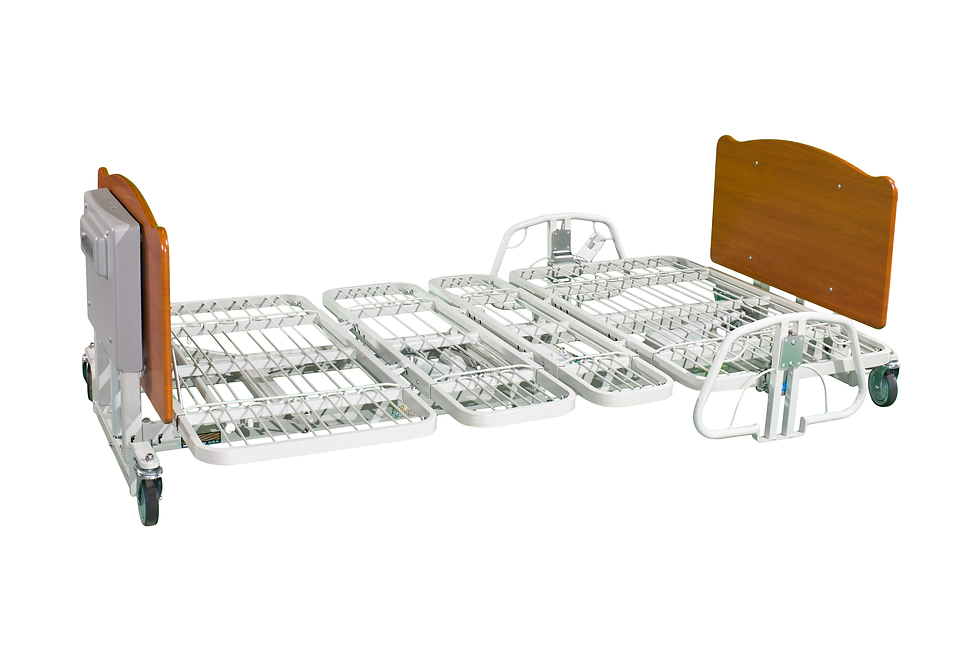
When patients are placed on a low air loss mattress, the expectation is clear:👉 reduce pressure👉 manage moisture👉 prevent or support healing of wounds
But in real-world settings, we still see patients on low air loss surfaces who continue to develop skin breakdown or wounds that don’t improve.
So what’s going on?
The answer often isn’t the mattress itself—it’s how the entire system is working together.
🔬 What Low Air Loss Is Designed to Do
Low air loss mattresses are designed to support microclimate management, which means controlling:
Airflow
Temperature
Moisture at the skin level
Clinical research shows that managing heat and moisture is critical, as increased skin temperature and moisture can weaken tissue and increase the risk of pressure injuries.
These systems continuously circulate air to:
Keep the skin cool
Reduce moisture buildup
Improve overall skin integrity
When functioning properly, low air loss mattresses have been shown to:
Reduce pressure injury risk
Support wound healing
Improve patient comfort
⚠️ Why Outcomes Don’t Always Match Expectations
Even with the right mattress in place, outcomes can vary.
Why?
Because low air loss performance depends on more than just the surface—it depends on the environment around it.
Clinical evidence confirms that external factors can impact how well a support surface performs, including:
Heat retention
Moisture buildup
Pressure distribution
Airflow around the system
When these factors are not optimized, the mattress cannot perform as intended.
🧠 The Role of the Full Bed System
Low air loss mattresses are part of a larger system, which includes:
The bed frame and deck
Bedding and linens
Patient positioning
Overall setup
For example:
Airflow must be able to circulate properly
Heat needs to dissipate
Moisture needs a pathway to escape
If airflow is restricted or the environment traps heat and moisture, the mattress may work harder but deliver less effective results.
🛏️ Common Factors That Can Affect Performance
From both clinical data and real-world experience, some of the most common factors include:
🔹 Limited airflow around the mattress
Low air loss relies on continuous air movement. When airflow is restricted, moisture and heat can build up.
🔹 Excess or non-breathable linens
Studies show that additional layers (such as pads or heavy linens) can increase pressure and reduce the effectiveness of support surfaces.
🔹 Heat and moisture retention
Increased skin temperature and moisture are known contributors to skin breakdown and pressure injuries.
🔹 System mismatch
Not all bed setups are optimized for advanced support surfaces. The goal is ensuring compatibility—not placing blame on any single component.
💥 A Real-World Perspective
We often see situations where:
👉 A patient is on a low air loss mattress👉 The system is running continuously👉 But wounds are still developing or not improving
In many of these cases, the issue is not that the mattress is failing—it’s that the system is not fully optimized to support it.
🔍 What to Look For
If a patient is not progressing as expected, it’s important to evaluate the full setup:
Is the surface staying cool and dry?
Is airflow being maintained?
Are linens breathable and appropriate?
Is the equipment functioning as intended?
Small adjustments can make a significant difference in outcomes.
🧠 Why This Matters
Pressure injury prevention is not about a single product—it’s about how everything works together.
Clinical research supports that:
Microclimate (heat + moisture) plays a critical role in skin breakdown
Support surfaces are most effective when used in the right environment
External factors can significantly influence outcomes
💬 Final Thought
Low air loss mattresses are powerful tools—but like any clinical solution, their success depends on proper use and setup.
At CFS, we focus on evaluating the entire system, because better outcomes come from understanding how each component works together.
📲 Need Help Evaluating Your Setup?
If you’re unsure whether your current setup is supporting the patient as intended, we’re here to help.
CFS Medical Supplies & Equipment provides:
Equipment evaluations
Clinical guidance
Support for facilities and families navigating care
📲 Download the Free CFS Medical Equipment App
Looking for more guidance on medical equipment, home safety, and navigating care decisions?
Download the CFS Medical Supplies & Equipment App for access to:
Educational resources
Product guidance
Podcast episodes
Real-world insights to help families and caregivers make informed decisions
👉 Available on Apple and Google devices
Stay connected and get the support you need—right at your fingertips.

Low Air Loss Frame-Deck


Comments