The Misunderstanding of Insurance Coverage and Home Safety for Medical Equipment
- CFS Solutions DBS Team

- Feb 23
- 4 min read
Every week, families reach out seeking help to keep a loved one safe at home. They want comfort, dignity, and independence for someone they care deeply about. Yet, when medical equipment finally arrives, the relief they expect often turns into confusion and concern. A recent call from a daughter caring for her mother with dementia highlights this issue clearly. Her mother had received a hospital bed through insurance, but instead of feeling safer, the family was worried. The bed was worn, uncomfortable, and most importantly, it did not lower enough for her mother to get in and out safely. This raised a common question: How can insurance approve equipment that doesn’t meet real needs?
This story reveals a gap many families face between insurance coverage and actual home safety.
What Families Expect from Insurance Coverage
When insurance approves medical equipment, most families assume it will be:
High quality
Suitable for the patient’s needs
A complete solution to safety concerns
These assumptions come from a natural place of trust. After all, insurance approval feels like a green light for safety and comfort. Families expect that coverage means the equipment will support independence and reduce risks like falls.
But this expectation often clashes with reality.
How Insurance Coverage Actually Works
Insurance, including Medicare and many private plans, bases coverage on basic medical necessity. This means:
Equipment must meet minimum clinical requirements
Coverage focuses on what is medically essential, not what is ideal for lifestyle or long-term safety
Providers must work within fixed reimbursement rates that have not increased significantly over time
For example, a hospital bed covered by insurance might meet the clinical need for a bed but lack features like adjustable height or a comfortable mattress that reduces pressure sores. The bed may be functional but not designed for ease of use or fall prevention.
Why This Gap Exists
Several factors contribute to the disconnect between insurance coverage and real home safety:
Cost constraints: Insurance reimbursement rates limit what providers can offer. Higher-quality or specialized equipment often costs more than what insurance will pay.
Standardized criteria: Coverage decisions rely on broad definitions of medical necessity, which may not capture individual needs like dementia-related safety concerns.
Limited provider options: Durable medical equipment providers often have to work within narrow budgets, leading to older or less suitable equipment being delivered.
Lack of communication: Families may not be fully informed about what insurance covers and what it does not, leading to surprise when equipment arrives.
Real-Life Example: The Hospital Bed That Wasn’t Safe
Returning to the daughter’s story, her mother’s hospital bed had a mattress with springs that felt bottomed out. The bed’s height could not be lowered enough for her mother to safely get in and out. This increased the risk of falls, which is a major safety concern for someone with dementia.
Despite insurance approval, the bed did not meet the family’s needs for:
Comfort
Safety
Independence
This example shows how insurance coverage does not always translate into real-world safety or usability.

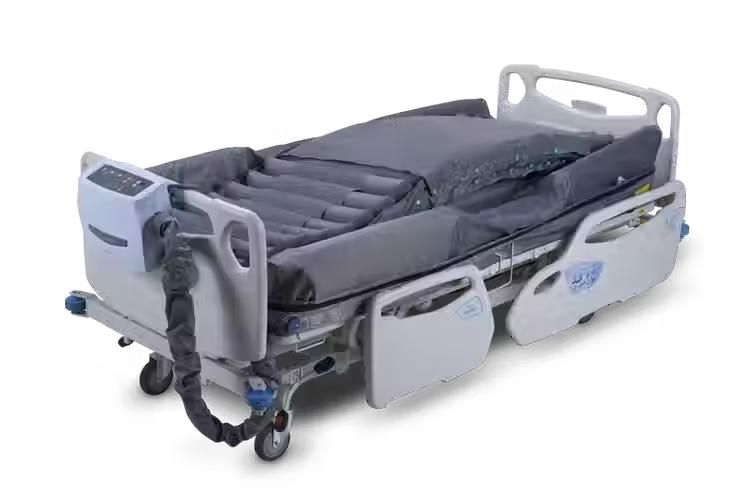
Hospital beds covered by insurance may not always provide the comfort and safety families expect.
What Families Can Do to Bridge the Gap
While insurance coverage has limitations, families can take steps to improve safety and comfort:
Advocate for specific needs: Work with healthcare providers to document detailed medical necessity that includes safety and independence features.
Explore supplemental options: Consider renting or purchasing additional equipment or accessories not covered by insurance to improve safety.
Consult with specialists: Occupational therapists, Certified Medical Equipment Specialist or home health professionals can recommend equipment that fits the patient’s lifestyle and abilities.
Communicate clearly with suppliers: Ask questions about equipment condition, features, and options before delivery.
Plan for adjustments: Understand that initial equipment may need modifications or replacements as needs change.
Understanding the Limits of Insurance Coverage
Insurance is designed to provide a baseline level of care, not a perfect solution. It covers what is medically necessary but does not always cover what is best for long-term home safety or quality of life.
Families should be prepared for:
Equipment that meets minimum standards but may lack comfort or advanced safety features
The need to supplement insurance-covered equipment with additional resources
Navigating a complex system that may require persistence and advocacy
Moving Forward with Confidence
The story of the hospital bed is not unique. Many families face similar challenges when relying on insurance for medical equipment. Understanding how insurance works and what it covers can help families set realistic expectations and take proactive steps.
Safety at home requires more than just equipment approval. It needs ongoing attention, communication, and sometimes extra investment to ensure loved ones live with dignity and security.
If you are caring for someone at home, start by asking detailed questions about equipment options and coverage. Seek advice from healthcare professionals who understand your unique situation. Your loved one deserves equipment that truly supports their safety and independence.
Download the FREE CFS Medical App on Apple or Google for Blogs, Resources inside the Blogs, Podcast with Healthcare Professionals, How to Videos etc!
Follow for constant updates...


Comments